EASA Instrument Rating (IR)
Master the art of instrument flying. Extend your PPL privileges to fly in Instrument Meteorological Conditions (IMC) and open doors to a professional career.
Overview Of the Course
Instrument rating – EASA IR(A) is a qualification that extends the privileges of EASA PPL(A) and allows a pilot to fly according to Instrument Flight Rules (IFR).
This rating enables you to operate aircraft in instrument meteorological conditions (IMC), significantly expanding your capabilities as a pilot and opening doors to professional aviation opportunities.
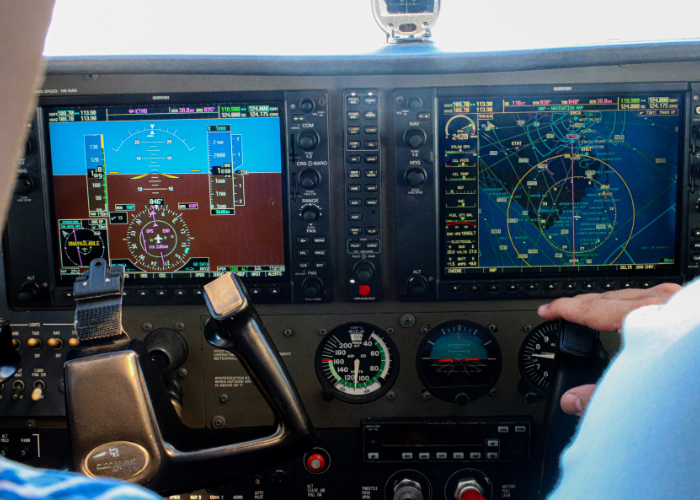
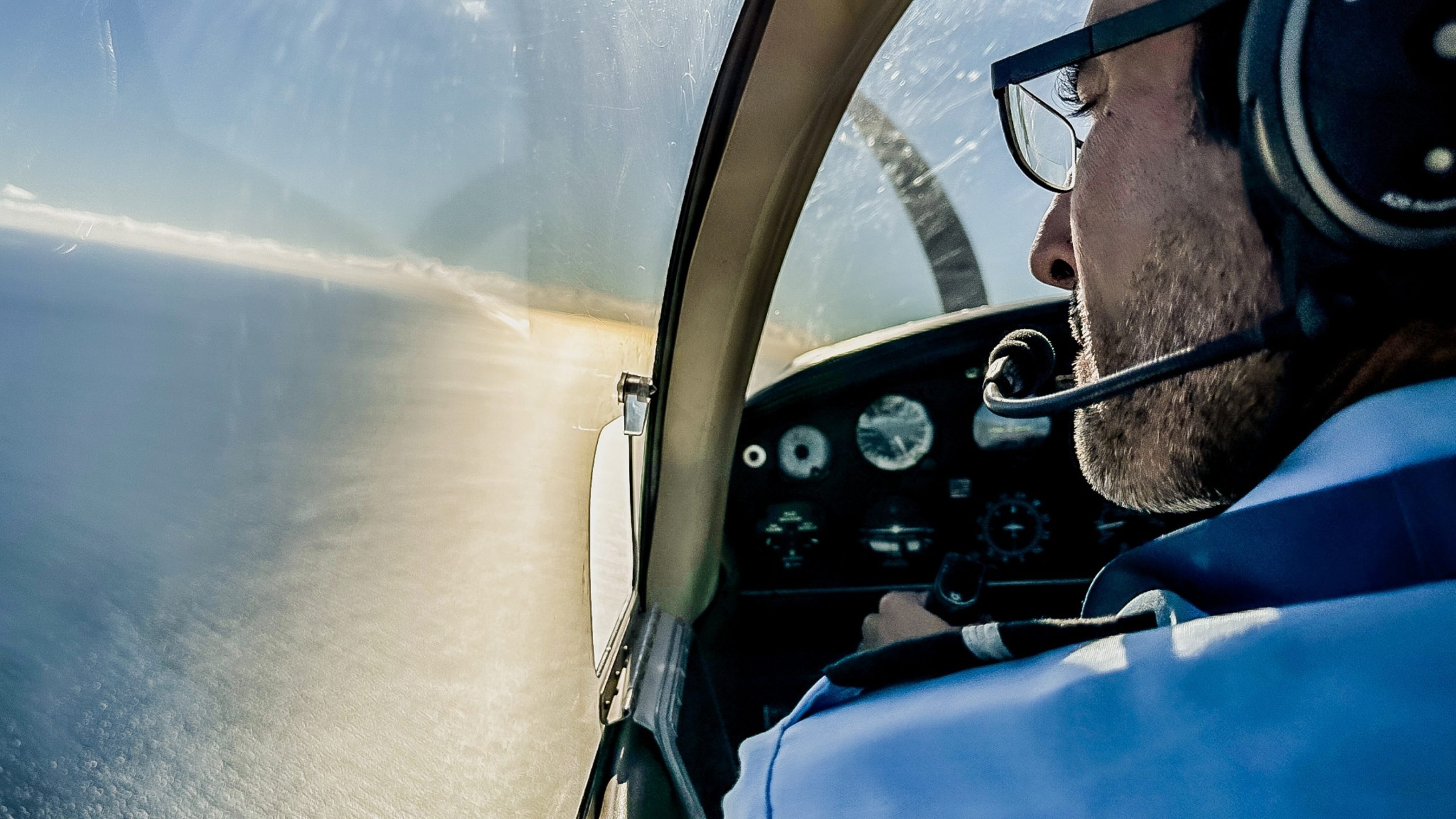
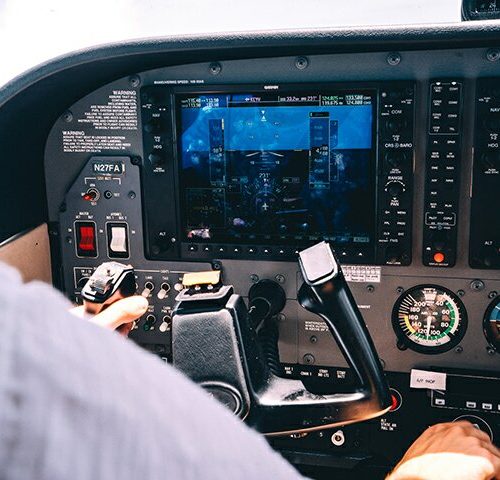
Ground Training
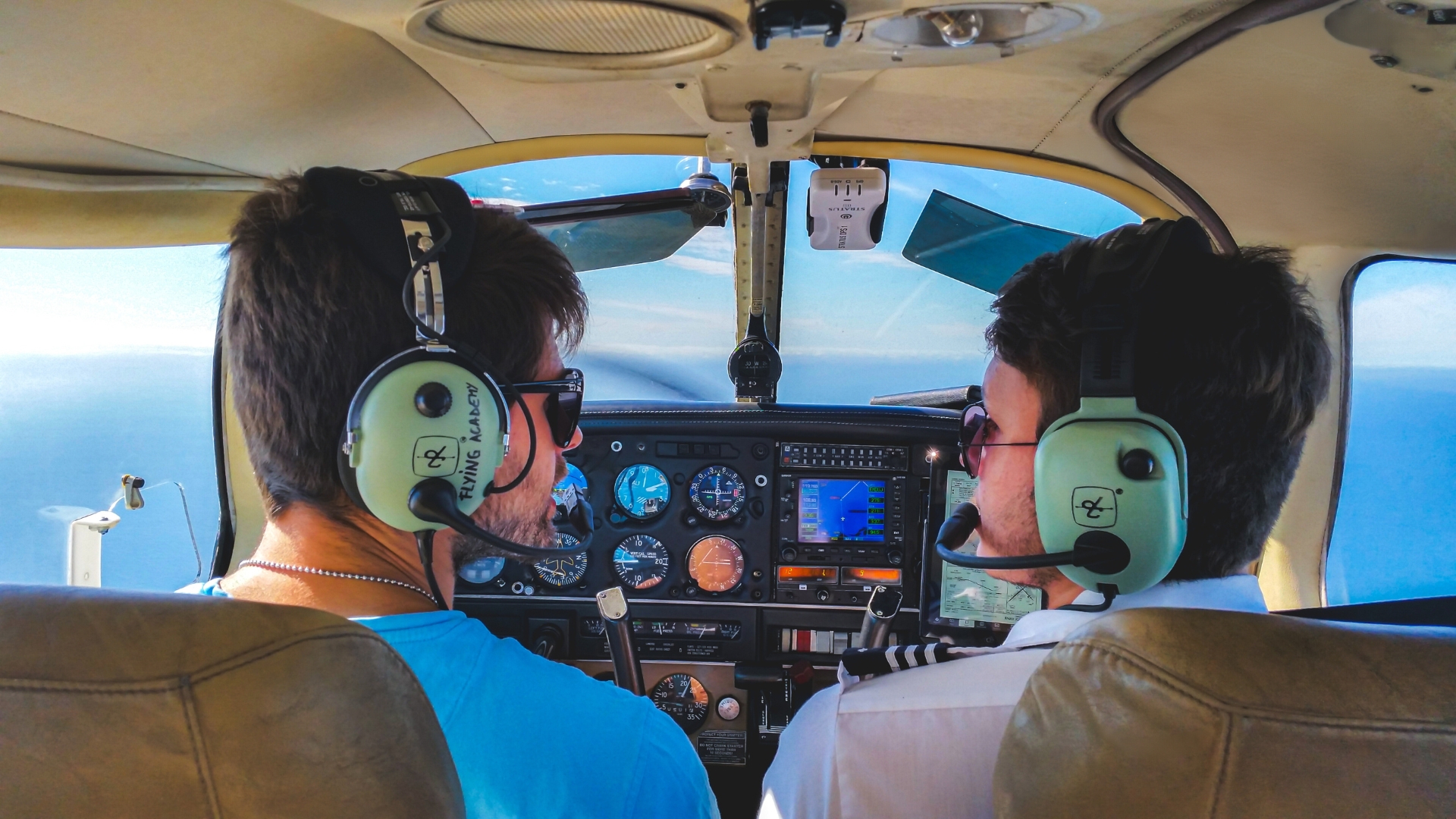
The theoretical training is provided in a form of Long briefings to help you understand what will be expected of you in the following flight. The briefings are divided into 3 stages.
Course Structure
- Basic instrument flying principles
- Procedural instrument flight techniques
- Advanced IFR operations and navigation
- ATC Systems & Clearances
- IFR regulations and procedures
- Radio navigation and approach procedures
- Departure/Enroute Chart procedures
- Weather Factors and Hazards
Theoretical Knowledge
- Air Law
- Instrumentation
- Flight planning and monitoring
- Human performance and limitations
- Meteorology
- Radio navigation
- IFR Communication
Flight Training
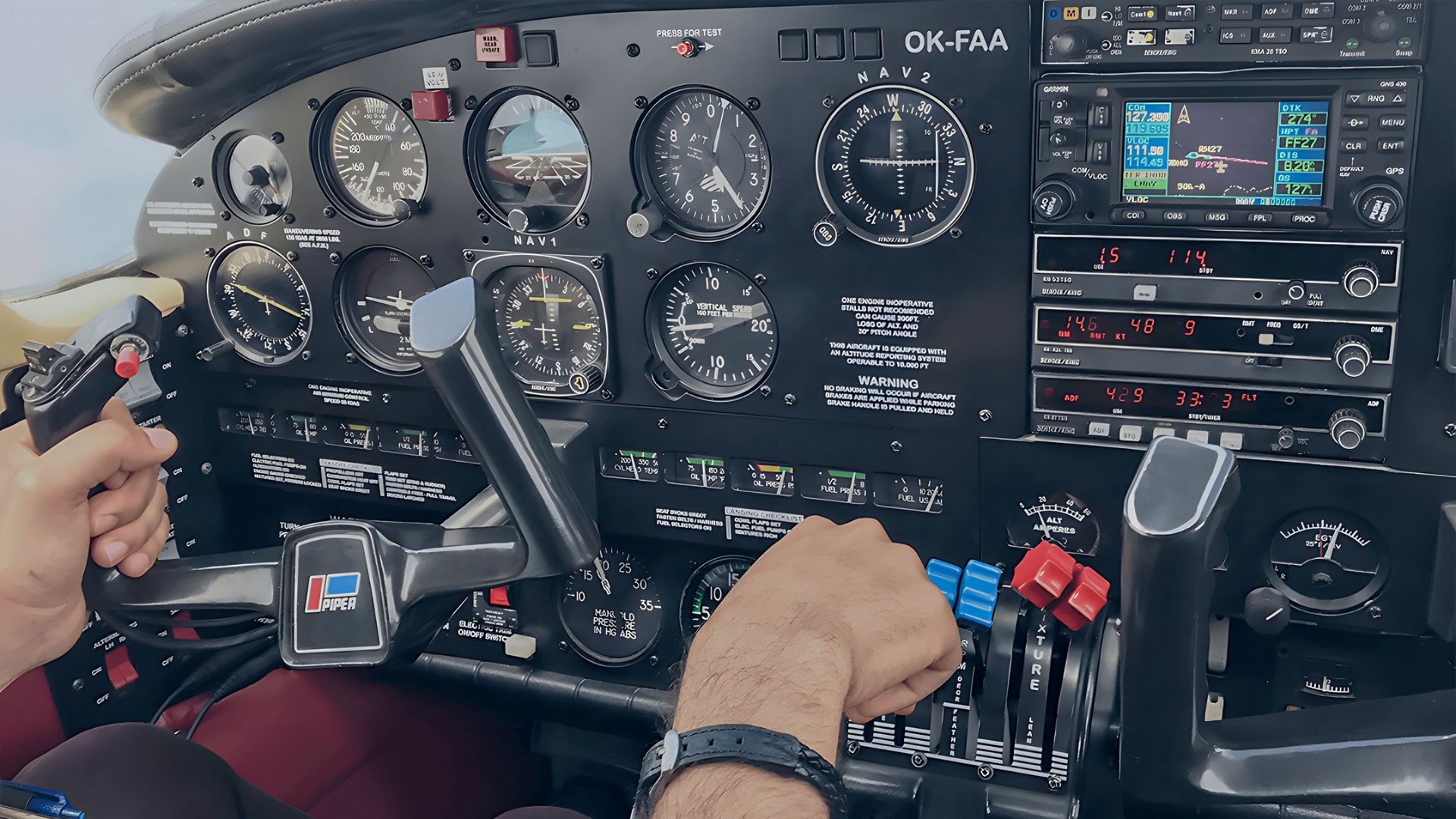
Flight training consists of two modules designed to progressively build your instrument flying skills, combining simulator and actual aircraft training.
Training Modules
- Basic Instrument Flight Module (BIFM):
Foundation skills in instrument flight - Procedural Instrument Flight Module:
Advanced procedures and approaches
Ensures comprehensive skill development in all weather conditions.
Training Includes
- Instrument flight techniques
- Navigation procedures
- Approach procedures (precision and non-precision)
- Stall avoidance, recognition and recovery
- IFR Cross-Country using RNAV equipment
- VOR, NDB published holdings and ILS approaches
- RNAV approaches and holding patterns
Practical Examination
You must demonstrate ability to:
- Prepare flight (weather, planning, alternate, performance)
- Operate airplane within limitations
- Complete maneuvers with smoothness and accuracy
- Exercise good judgment and airmanship
- Apply aeronautical knowledge
- Maintain control at all times
Entry Requirements
PPL Holder
The Pilot Must be a PPL Holder.
Medical Class 2
Must hold at least a Class 2 Medical with audio extension.
Qualifications
Must be Proficient in English, Math, and Physics.
Why Choose Flying Academy
Experience world-class aviation training with comprehensive support and resources
Access all study materials through our updated Learning Management System from anywhere
Experienced & talented instructors with proven track records
Complete ground training from the comfort of your home
Broad international community of pilots and aviation professionals
Located in the heart of Europe for your convenience
Interactive coursework, stage checks, and monitored progress
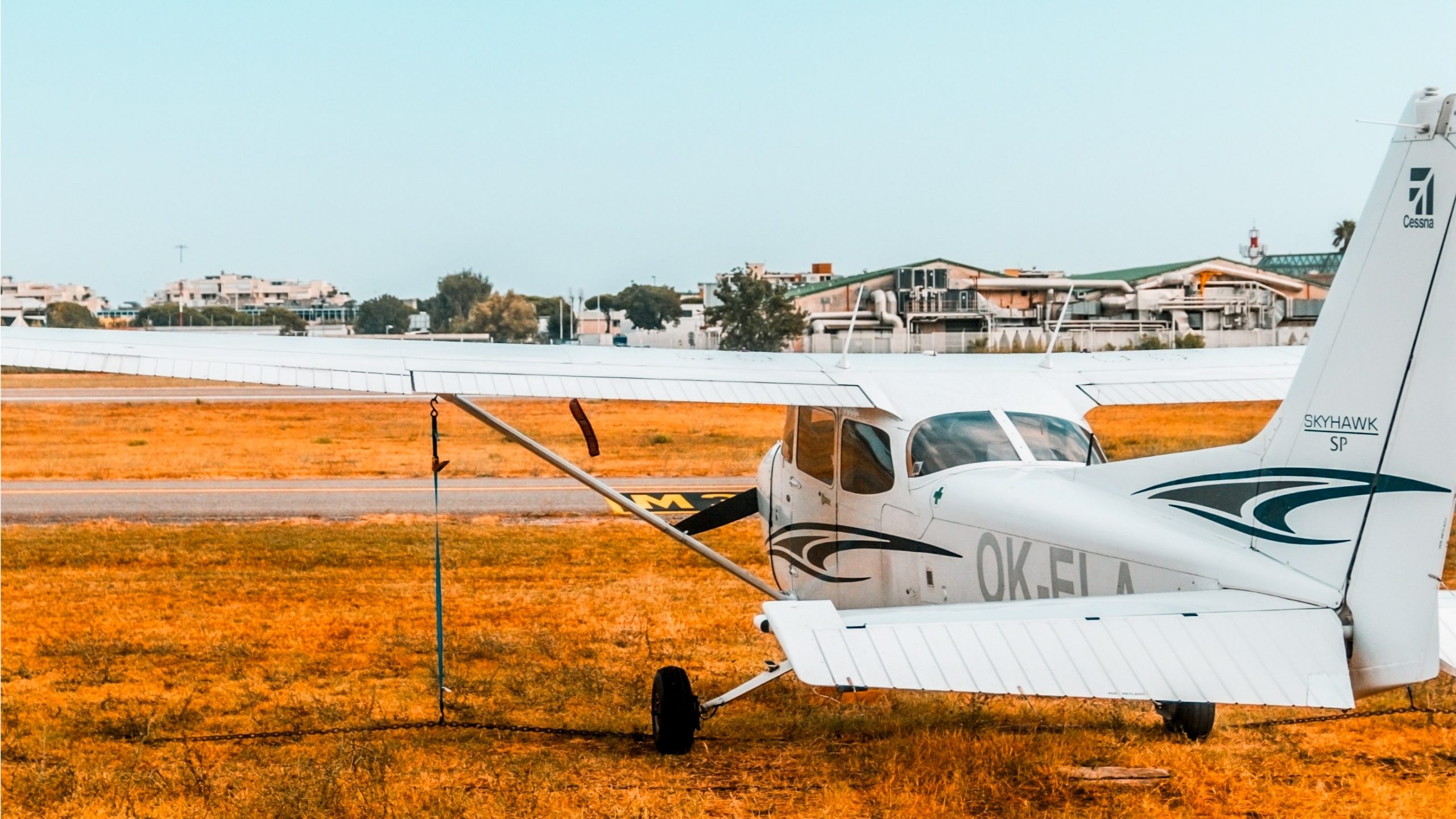
Top of the line modern aircraft fleet for training
State of the art virtual classrooms with live instruction
Dedicated flight training consultant & customer support
Our Training Locations
Train at our premier facilities across Europe