FAA Multi-Engine Rating (ME)
Master the complexity of twin-engine aircraft. This rating opens the door to flying faster, higher-performance aircraft and is a crucial step for aspiring professional pilots.
Overview Of the Course
The Multi-Engine Rating (ME) is an add-on to an existing Private or Commercial Pilot Certificate. It authorizes you to act as pilot-in-command of an aircraft with more than one engine.
Flying a multi-engine aircraft allows you to fly faster, carry more payload, and provides the safety redundancy of a second engine. This course focuses on the management of complex systems and the handling of the aircraft during normal and emergency operations.
Ground Training
Theoretical instruction is conducted simultaneously with flight training. Students can choose between group classes or individual one-to-one classes for theory on-site.
Minimum: 10 hours of ground training.
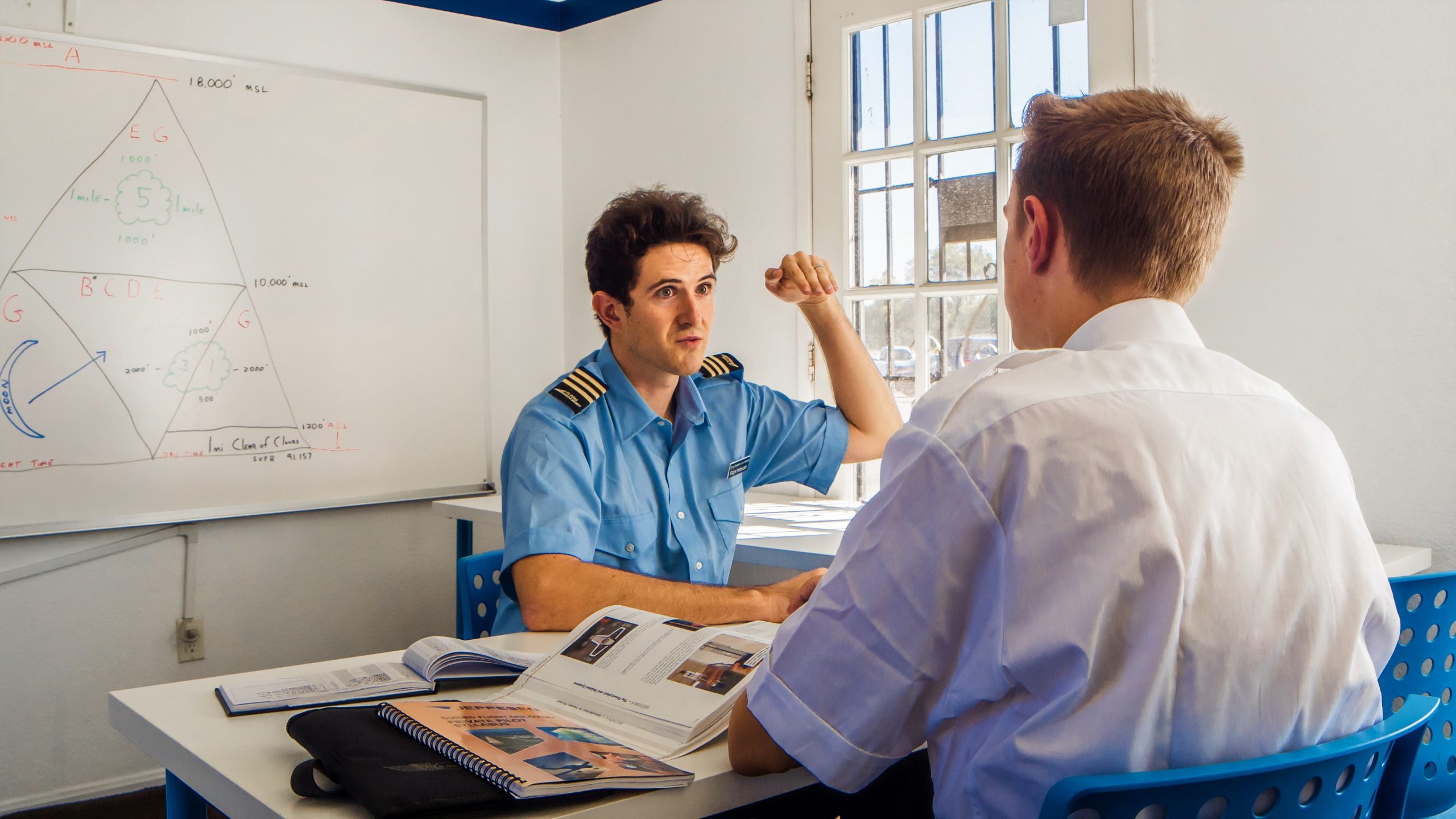
Required Ground Training Topics
- Multi‑engine aerodynamics
- Engine-out performance and limitations
- VMC and stall recognition/recovery
- Normal/emergency procedures
- Aircraft systems (prop, fuel, electrical, hydraulic, etc.)
- Weight & balance
- Performance planning and charts
- Federal aviation regulations applicable to multi-engine aircraft
Oral Preparation
Progress quizzes and mock orals build confidence for the AMEL checkride. Your instructors will evaluate systems knowledge and emergency decision‑making throughout the course.
Flight Training
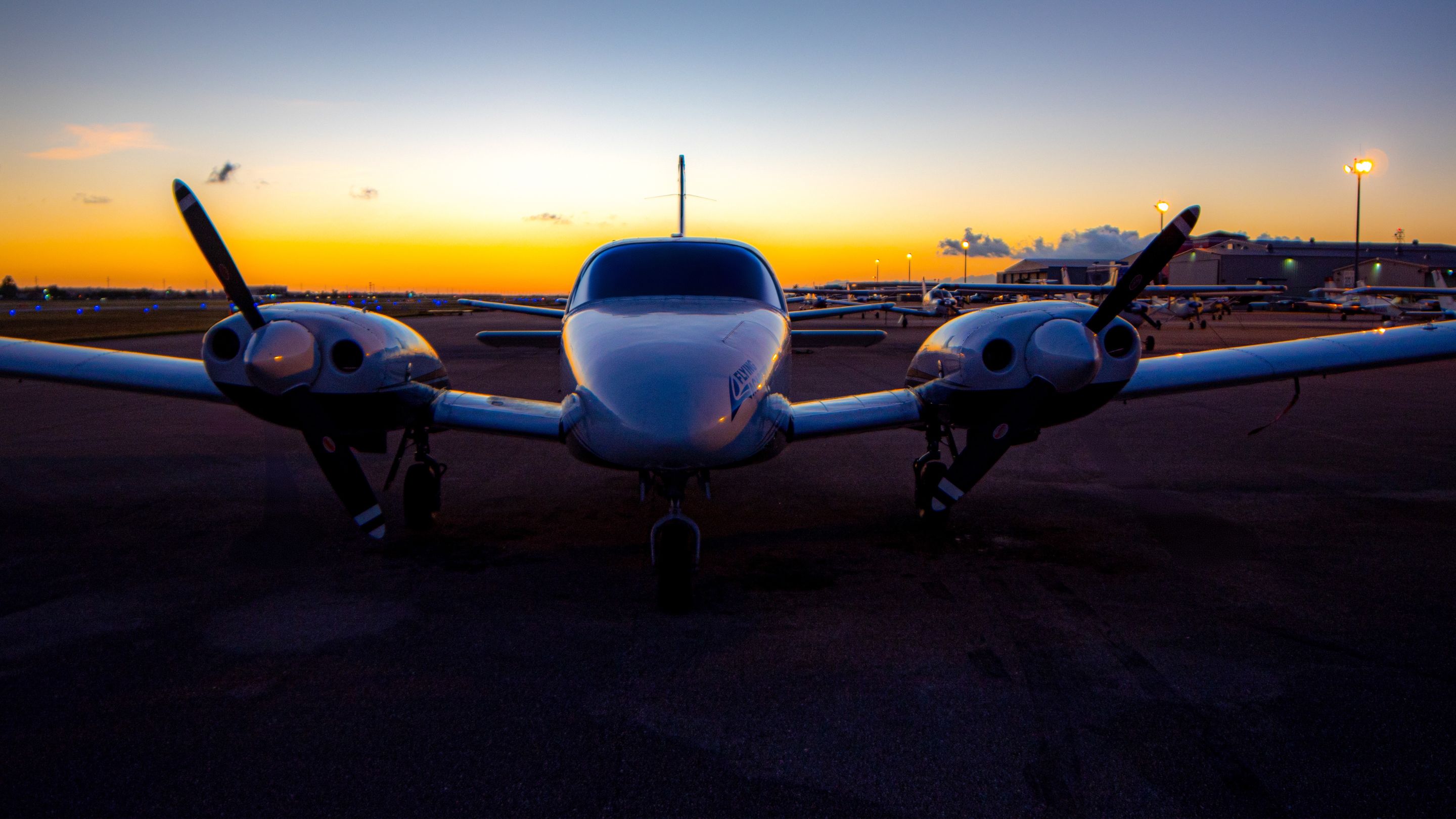
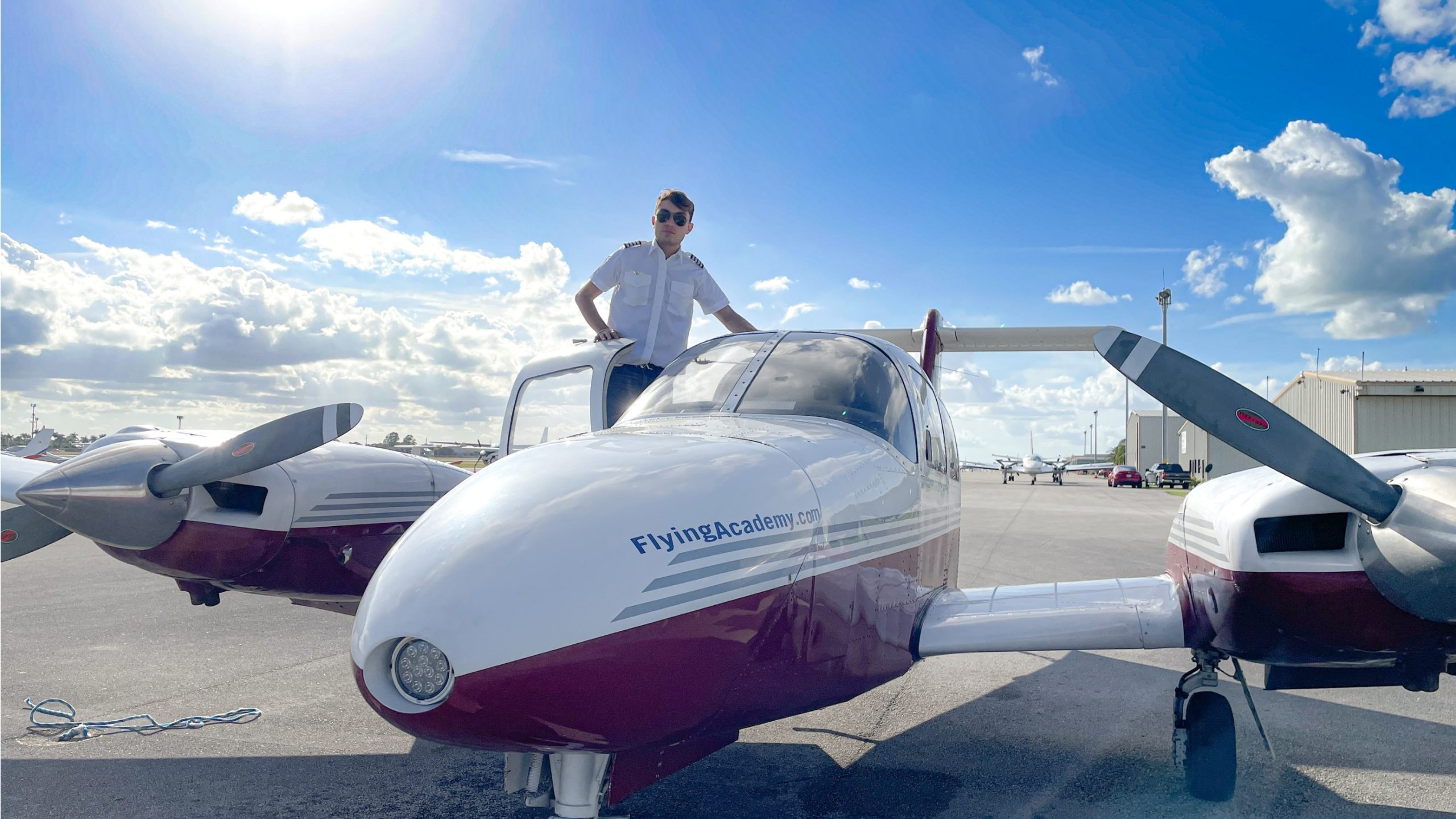
The Flight Training will take place in the multi-engine aircraft, such as the Piper Seminole. This training will be divided into three stages and each stage will be completed with a stage check exam.
Part 141 Requirements
- Minimum: 20 hours of flight training
- Stage checks included
Part 61 Requirements
Part 61 offers flexibility and is based on proficiency rather than strict hour requirements.
- No minimum flight hours required (proficiency based)
- Training until endorsement for practical test
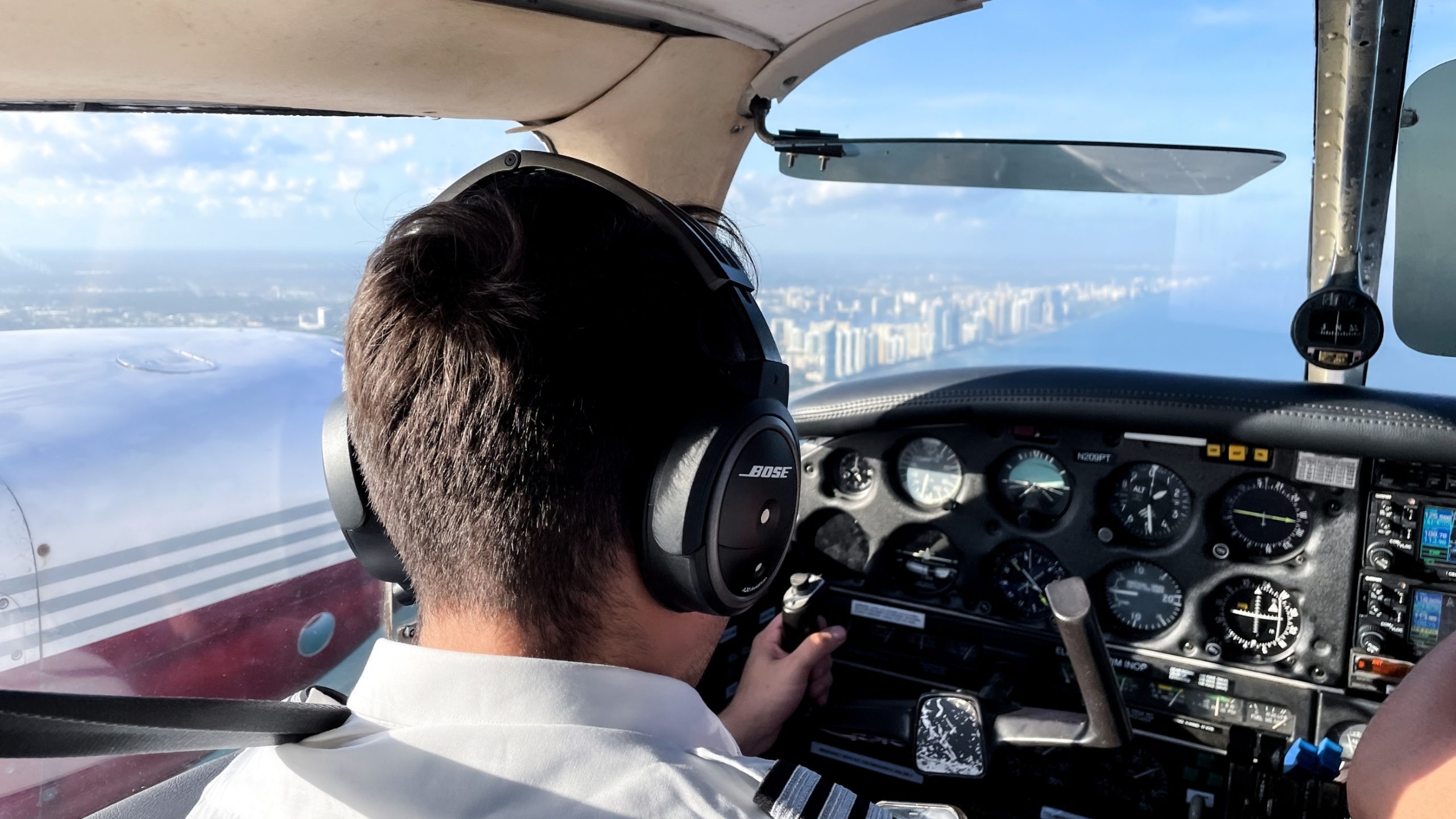
Required Flight Training Proficiency Areas
- Preflight & postflight procedures
- Normal, crosswind, and short-/soft-field takeoffs and landings
- Steep turns, slow flight, stalls (power-on, power-off, accelerated)
- VMC demonstration
- Engine-out operations (takeoff, climb, cruise, approach, and landing)
- Single-engine instrument maneuvers and approaches
- Emergency operations (including simulated engine failures)
- Night operations (if night privileges sought)
- Cross-country flight in a multi-engine airplane
Aircraft & Checkride
Train on our multi‑engine, Piper Seminole at our Miami base. The AMEL practical test includes an oral exam and flight with a DPE; successful completion adds AMEL to your certificate. Multi‑engine instrument privileges may be added with additional training and testing.
Entry Requirements
Pilot License
Hold a Private Pilot (PPL) or Commercial Pilot (CPL) Certificate.
Medical
Hold a valid FAA Class 3 Medical certificate (Class 1 or 2 recommended).
Status
Be a US citizen or have TSA approval for flight training.
Why Choose Flying Academy
Experience world-class aviation training with comprehensive support and resources
Access all study materials through our updated Learning Management System from anywhere
Experienced & talented instructors with proven track records
Complete ground training from the comfort of your home
Broad international community of pilots and aviation professionals
Train in Miami or Los Angeles for optimal weather and diverse airspace
Interactive coursework, stage checks, and monitored progress
Top of the line modern aircraft fleet for training (G1000 & Analog)
State of the art virtual classrooms with live instruction
Dedicated flight training consultant & customer support
Training Locations
Train at our premier facilities in the USA