EASA Multi-Engine Piston
Step forward to your aviation dream. The MEP(A) rating extends your privileges to fly aircraft with more than one engine, a crucial step for professional pilots.
Overview Of the Course
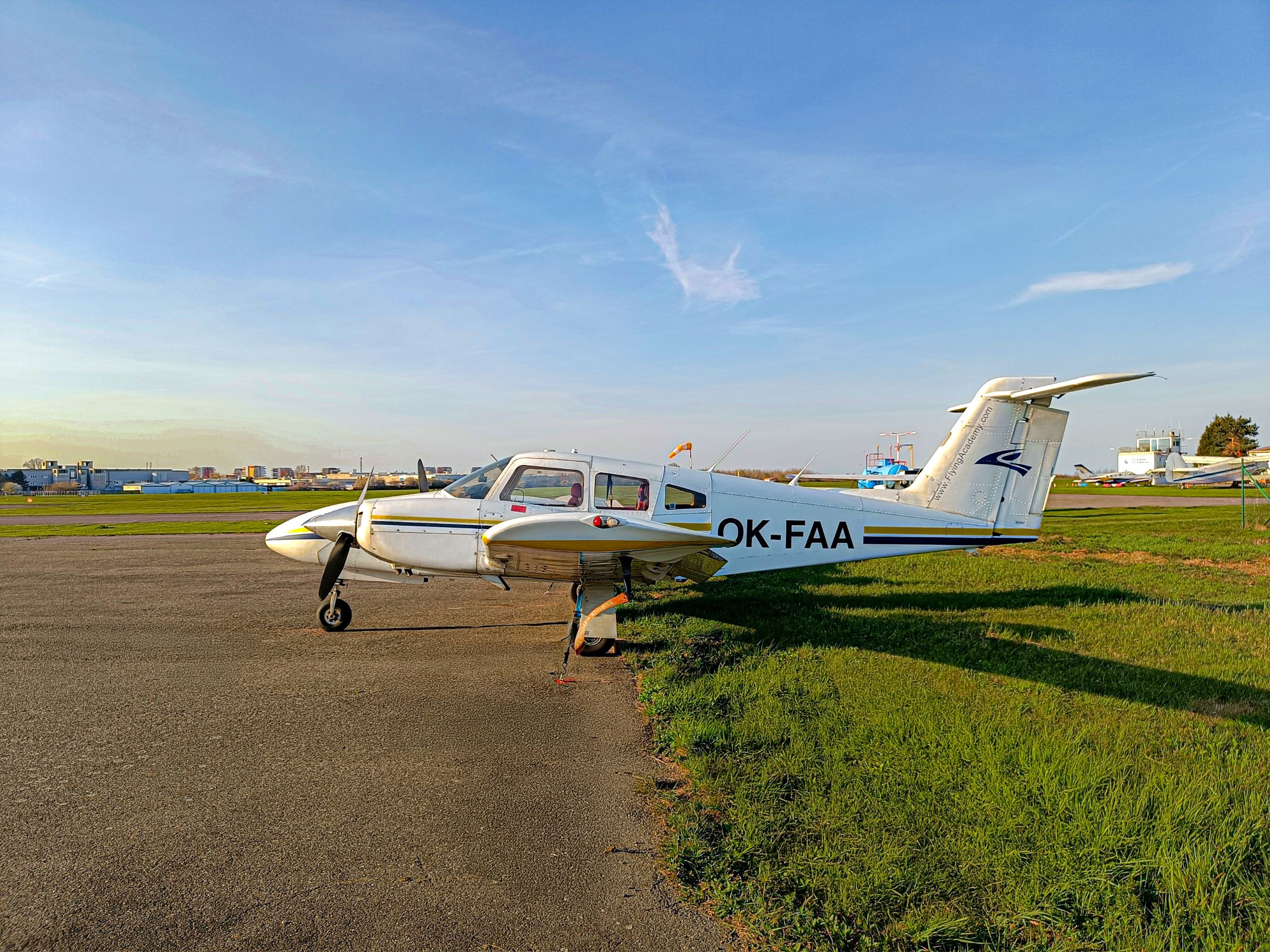
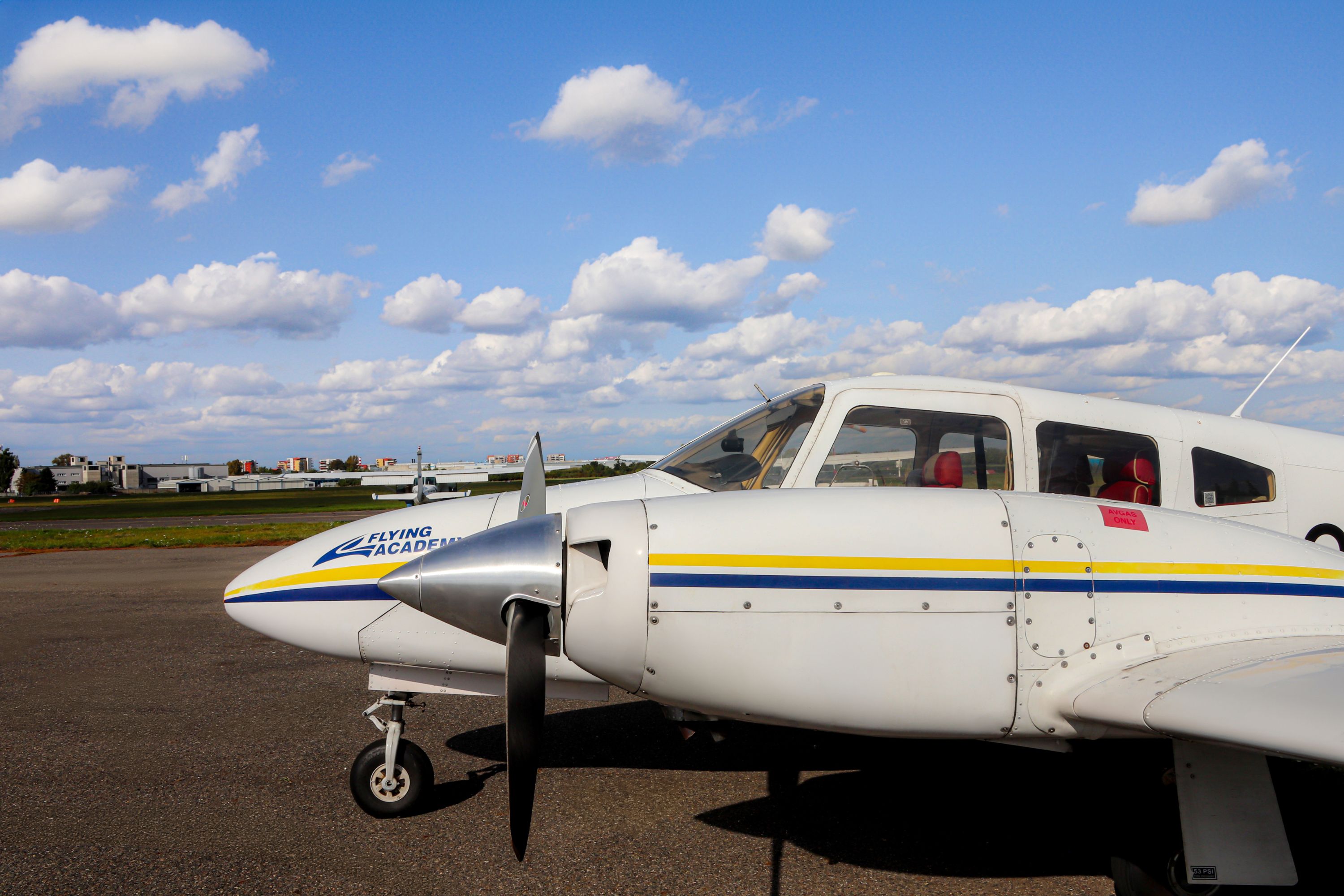
Attaining the EASA Multi-Engine Piston – MEP (A) rating extends the privileges of your EASA Private Pilot License – PPL (A) or Commercial Pilot License – CPL (A), allowing you to fly aircraft with more than one engine.
One of the main takeaways of the training is to understand the differences between a single-engine piston and a multi-engine piston aircraft, focusing on advanced aerodynamics and engine-out procedures.
Ground Training
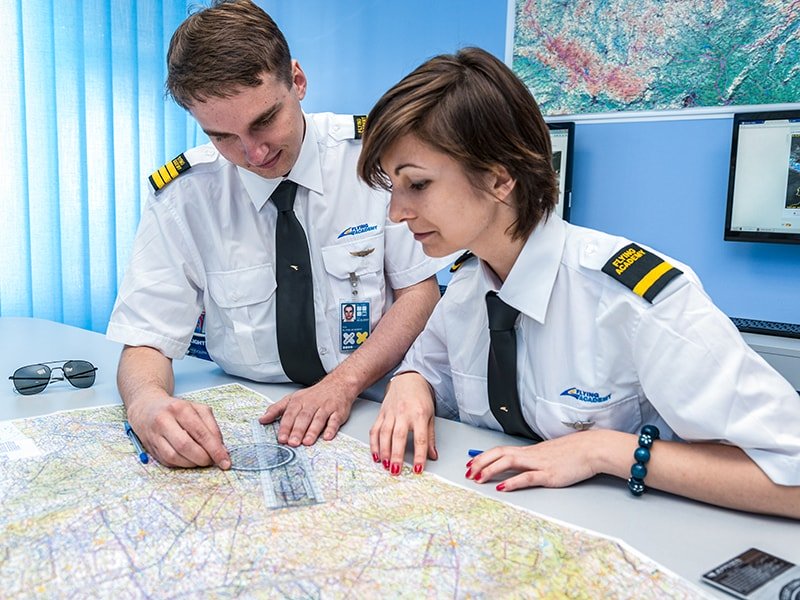
Theoretical preparation takes 15 hours with an instructor. During this time, you will become familiar with the multi-engine piston airplane, its systems, and aerodynamics.
You will also learn the procedures and maneuvers that apply in a multi-engine airplane during normal and engine-out operations under VFR and IFR conditions.
The ground training ensures you have a comprehensive understanding of multi-engine aerodynamics, asymmetric flight principles, and complex aircraft systems before you step into the cockpit.

Learning Objectives
The ground training ensures you have a comprehensive understanding of:
Flight Training
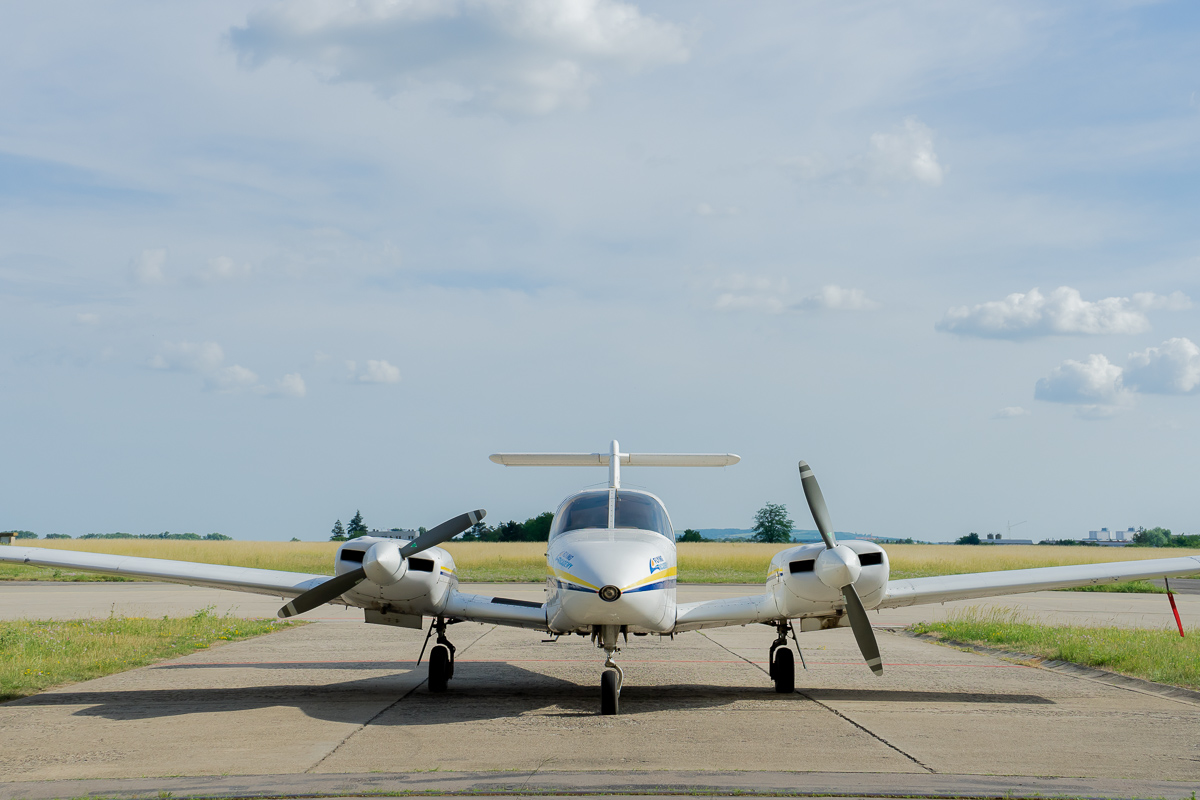
The flight training for a holder of IR(A) takes 11 hours (6 hours VFR and 5 IFR) of dual flight instruction. The training is divided into 3 stages.
Normal Operations
You will become familiar with the multi-engine airplane and human factors concepts. Learn to fly the multi-engine airplane under day VFR conditions during normal two-engine operations.
Duration: 2.5 hours minimum (normal operation).
Engine-Out Operations
Learn techniques and procedures for engine-out operations. Focus on engine failure procedures and asymmetric flight techniques.
Duration: 3.5 hours minimum (dual flight instruction).
IFR Operations
If you hold an Instrument Rating, you will acquire proficiency in IFR operations and procedures in the multi-engine airplane. The instrument-rated student will meet the course requirements at the completion of this stage.
Practical Examination
Skill Test Requirements
To prove your practical skills, you will need to pass a practical flight test with an approved examiner. You must demonstrate the ability to:
- Operate the airplane within its limitations
- Complete course-specific maneuvers smoothly and accurately
- Exercise good judgment and airmanship
- Apply aeronautical knowledge
- Maintain control of the airplane at all times
Entry Requirements
PPL(A) Holder
Must hold a valid PPL(A) or CPL(A).
Experience
70 hours as Pilot-in-Command (PIC).
Medical
Valid Class II Medical Certificate.
English
Proficiency in English (Reading, Writing, Speaking).
Why Choose Flying Academy
Experience world-class aviation training with comprehensive support and resources
Access all study materials through our updated Learning Management System from anywhere
Broad international community of pilots and aviation professionals
Top of the line modern aircraft fleet for training
Experienced & talented instructors with proven track records
Located in the heart of Europe for your convenience
State of the art virtual classrooms with live instruction
Complete ground training from the comfort of your home
Interactive coursework, stage checks, and monitored progress
Dedicated flight training consultant & customer support
Our Training Locations
Train at our premier facilities across Europe